January 7, 2026
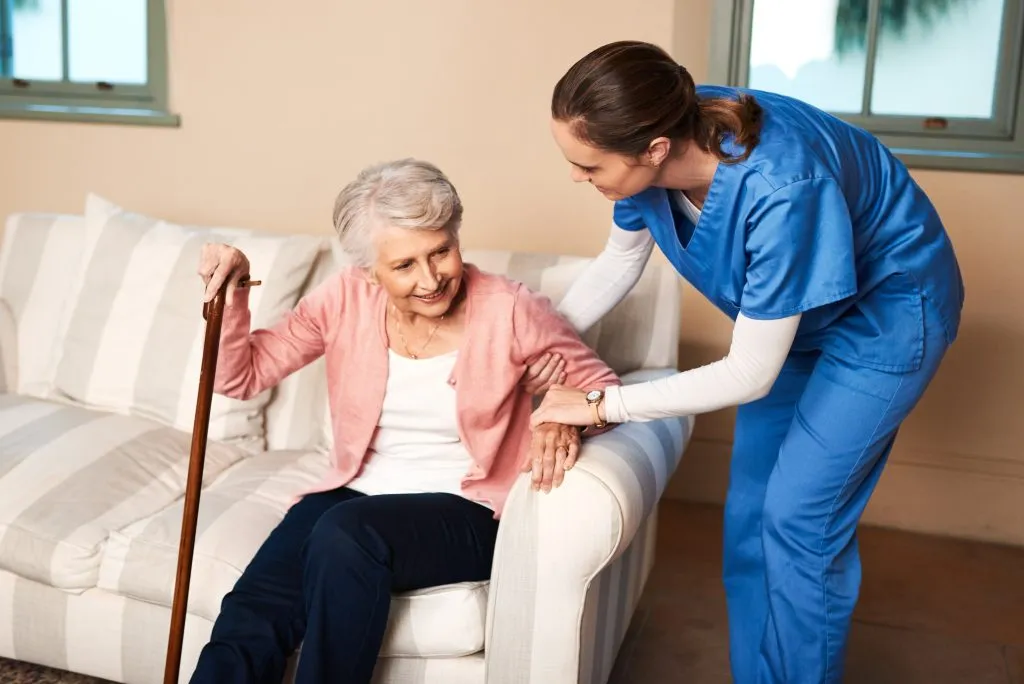
When most people think about long-term care, images of nursing homes or assisted living facilities often come to mind. While these options serve an important role in our healthcare system, there’s a growing body of evidence—and a clear preference among older adults—for receiving care in a very different setting: home.
The concept of “aging in place” has moved from a nice-to-have option to a central consideration in long-term care planning. Understanding why home-based care leads to better quality of life outcomes can help you make more informed decisions about your own future or that of a loved one.
What Does “Aging in Place” Really Mean?
Aging in place refers to the ability to remain in your own home while receiving the long-term care services you need. Rather than relocating to a facility, care comes to you. This can include support from family members, hired caregivers, or professional home health aides who assist with activities of daily living such as bathing, dressing, meal preparation, medication management, and mobility.
The flexibility of home-based care is one of its greatest strengths. Services can be scaled up or down based on changing needs, and care can be customized to fit individual preferences and routines. For many people, this flexibility translates directly into a higher quality of life.
The Numbers Tell a Compelling Story
The preference for home-based care isn’t just anecdotal—it’s reflected in both statistics and outcomes. In 2020, there were 11,400 home health agencies in the United States serving 3 million Americans. That’s a significant portion of the long-term care landscape, and the numbers continue to grow as more people recognize the benefits of receiving care at home.
Perhaps more telling is how people actually receive their care when given options. Among those who use Medicaid long-term care services, three out of four receive their care through home or community-based services rather than institutional settings. This overwhelming preference demonstrates that when financial barriers are removed, people consistently choose to remain in their homes.
The care recipients themselves provide the most important endorsement: family members typically serve as primary caregivers, with nearly two-thirds of eldercare providers caring for a spouse or partner. More than 37 million Americans provide unpaid eldercare for their loved ones—a testament to both the value families place on keeping relatives at home and the feasibility of providing quality care in a home environment.
Health and Safety Outcomes Support Home-Based Care
Beyond preference, there are measurable health benefits associated with receiving care at home. Research comparing different care settings reveals some striking differences in health outcomes.
One significant finding relates to infection rates. People receiving care in their own homes were approximately four times less likely to be infected with respiratory syncytial virus compared to those in nursing homes. When compared to assisted living facilities, home care recipients were about six times less likely to contract Respiratory syncytial virus (RSV). These lower infection rates translate to fewer hospitalizations, less antibiotic use, and better overall health outcomes.
The familiar environment of home appears to contribute to better functional outcomes as well. Research has found that home-like environments and adequate staffing support better function and quality of life in people receiving long-term care. The ability to maintain familiar routines, sleep in your own bed, prepare meals in your own kitchen, and stay connected to your neighborhood and community all contribute to psychological wellbeing and physical health.
The Psychological Benefits of Familiar Surroundings
While physical health outcomes are important, the psychological and emotional benefits of aging in place may be even more profound. Consider what home represents: it’s where your memories live, where your routines are established, and where you have the most control over your daily life.
Maintaining independence and dignity ranks among the top priorities for most older adults when thinking about their future care needs. Home-based care preserves both in ways that institutional settings simply cannot match. You decide when to wake up, what to eat for breakfast, whether to take an afternoon nap, and when to go to bed. These seemingly small decisions represent autonomy and self-determination—core components of quality of life.
The sense of security that comes with familiar surroundings should not be underestimated. For individuals with cognitive decline or dementia, familiar environments can reduce anxiety and confusion. Visual cues like family photos, cherished possessions, and the layout of rooms navigated for decades all provide orientation and comfort that cannot be replicated elsewhere.
Social connections also remain stronger when care is received at home. Maintaining relationships with neighbors, participating in community activities, attending local religious services, and having friends visit becomes much easier when you haven’t relocated to a facility. These social connections are vital to emotional wellbeing and have been shown to contribute to better health outcomes and longer life expectancy.
The Financial Reality of Home-Based Care
Cost is often a primary concern when families begin exploring long-term care options, and home-based care deserves careful financial consideration. In 2024, homemaker services cost approximately $33 per hour, while home health aide services cost about $34 per hour. At full-time rates—assuming a 40-hour work week—this translates to roughly $5,280 to $5,440 per month, or between $75,504 and $77,792 annually.
How does this compare to facility-based care? Assisted living communities average $5,900 per month ($70,800 annually), while a semi-private room in a nursing home costs approximately $9,277 per month ($111,325 annually). A private nursing home room averages $10,646 per month ($127,750 annually).
These figures reveal an important reality: home-based care can often be more cost-effective than institutional care, particularly when full-time care isn’t necessary. Many people need care for only certain hours of the day or week, making home care even more economical. Even when extensive care is required, in-home support may cost less than facility-based alternatives while providing the quality of life benefits we’ve discussed.
Insurance Coverage Makes Home Care Accessible
One of the most important features of modern long-term care insurance policies is comprehensive coverage for home-based care. Today’s policies recognize what research and experience have shown: most people want to age in place, and supporting that preference leads to better outcomes.
Quality long-term care insurance policies typically cover a full range of home care services, including skilled nursing care, personal care assistance, homemaker services, and respite care for family caregivers. This flexibility allows policyholders to receive the specific types of support they need while remaining in their homes.
Importantly, these policies often include coverage for modifications to the home environment—such as installing grab bars, wheelchair ramps, or stairlifts—that make aging in place safer and more practical. Some policies also cover adult day care services, which provide structured activities and supervision during the day while allowing individuals to return home each evening.
The inflation protection features built into modern long-term care policies are particularly valuable for home care. As the cost of care increases over time—and it will continue to rise—inflation protection ensures your coverage keeps pace, maintaining your ability to afford quality in-home care when you need it.
Family Caregivers: The Backbone of Home-Based Care
While professional home care services play an important role, family caregivers remain the backbone of home-based long-term care in America. Family caregivers make up around 14% of the U.S. population, providing essential support that makes aging in place possible for millions.
This family involvement brings its own benefits to care quality. Family members understand the person’s history, preferences, and needs in ways that even the most skilled professional caregiver cannot immediately replicate. The emotional comfort of receiving care from someone you love and trust enhances quality of life in profound ways.
However, it’s crucial to acknowledge the challenges family caregiving presents. The physical demands and emotional stress can be significant. This is where thoughtful long-term care planning becomes essential. Insurance coverage can pay for professional caregivers to supplement family support, providing respite care that prevents caregiver burnout while ensuring continuous quality care.
Long-term care policies that include flexible home care benefits allow families to create sustainable care arrangements. Perhaps a family member provides morning care, a professional caregiver assists during the day, and another family member helps in the evening. This hybrid approach preserves the benefits of family involvement while preventing the exhaustion and health problems that can result from full-time caregiving.
Planning for the Home Care Advantage
If aging in place appeals to you—and research suggests it should—incorporating home care into your long-term care planning is essential. The earlier you plan, the more options you’ll have and the more affordable coverage will be.
When evaluating long-term care insurance, look specifically at home care benefits. Ask these key questions: What types of home care services are covered? Is there a daily or monthly benefit limit for home care? Does the policy cover care coordination services? Are there provisions for home modifications? What is the elimination period before home care benefits begin?
Also consider your current living situation. Is your home suitable for aging in place, or would modifications be necessary? Are you in a location where home health agencies operate and where professional caregivers are available? These practical considerations should inform both your long-term care planning and potentially your housing decisions.
The Bottom Line: Choice Equals Quality of Life
Perhaps the most important insight about home-based long-term care is this: having the choice to remain at home fundamentally enhances quality of life. Research consistently shows that control and autonomy directly correlate with wellbeing, life satisfaction, and even health outcomes.
The peace of mind that comes from knowing you have the financial resources to receive quality care at home—through insurance coverage you’ve planned for—cannot be overstated. You won’t be forced into institutional care due to cost. You won’t burden your family with impossible choices. You’ll have options.
The statistics, research, and real-world experience all point in the same direction: for most people, given the choice and resources, receiving long-term care at home produces better outcomes across physical health, emotional wellbeing, and overall quality of life. The key is planning ahead to ensure that when the time comes, home-based care remains a viable and affordable option for you.
Denise Gott, MBA, CLTC®, is CEO of ACSIA Partners LLC, the nation’s largest independent brokerage and industry leader with over 50 years’ experience specializing in long-term care insurance dedicated to helping families navigate the complexities of long-term care planning. Contact us for more information about protecting your retirement, your family and preserving your peace of mind.
In California, the company is known as xACSIA Partners Insurance Agency; in all other states, as ACSIA Partners.